Ticket scams are on the rise
Every year, millions of fans lose money to fraudulent ticket sellers. Fake listings, cloned barcodes, and phantom seats — the tactics are evolving. Here's what you need to know to protect yourself.
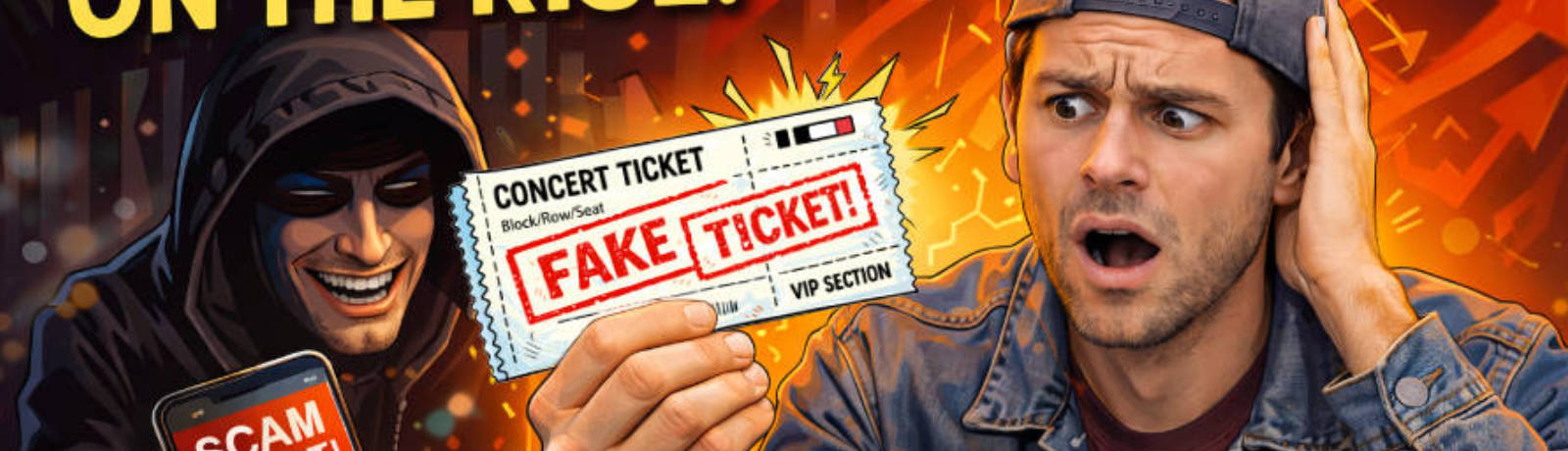
The anatomy of a ticket scam
Scammers use increasingly sophisticated tactics to steal your money. Understanding their playbook is the first step to protecting yourself.
Fake listings
Scammers create convincing listings on social media, fake websites, or even legitimate resale platforms using stolen event details and fabricated seat information.
Pressure to pay fast
They create urgency — 'last 2 tickets!' or 'price goes up in 10 minutes' — pushing you to pay via untraceable methods like wire transfers, gift cards, or crypto.
Duplicate or void tickets
You receive a ticket that looks real but has been sold to dozens of others, or the barcode has already been used. You only find out at the gate.
Phishing & impersonation
Scammers impersonate official ticketing platforms, sending emails or texts with links to cloned websites designed to harvest your payment details.
Social media traps
Fake accounts on Instagram, Twitter, and Facebook offer 'extra tickets' to sold-out events. Once you pay, the account disappears.
No buyer protection
Transactions outside official platforms rarely offer refunds or dispute resolution. Once the money is sent, it's gone for good.
Red flags to watch for
If you spot any of these warning signs, walk away immediately.
How to protect yourself
Follow these guidelines to buy tickets safely and avoid becoming a victim.
Buy from official sources only
Purchase directly from the venue box office, the event's official website, or authorized ticketing partners. Bookmark the real URLs.
Use secure payment methods
Pay with a credit card that offers fraud protection. Never use wire transfers, gift cards, or peer-to-peer payment apps for ticket purchases.
Verify the seller
Check reviews, ratings, and the seller's history. On resale platforms, look for verified seller badges and buyer guarantee programs.
Check the ticket details
Verify the event date, venue, seat numbers, and barcode. Cross-reference with the venue's seating chart. If anything looks off, don't buy.
Use official transfer methods
Legitimate tickets are transferred through the ticketing platform's official transfer feature — not via email, text, or screenshot.
Report suspicious activity
If you encounter a scam, report it to the platform, the FTC (reportfraud.ftc.gov), and your local consumer protection agency.
Already been scammed?
Act fast. The sooner you take action, the better your chances of recovering your money and preventing others from falling victim.
Contact your bank
Dispute the charge immediately. Credit card companies often reverse fraudulent transactions if reported quickly.
File a report
Report to the FTC at reportfraud.ftc.gov, your state attorney general, and the platform where you found the listing.
Warn others
Share your experience on social media and review sites to help others avoid the same scam.
Stay safe
Don't let scammers win
Share this page with friends and family. The more people know about ticket scams, the harder it becomes for fraudsters to operate.